


Starting in September, many workspaces that were still sufficiently bright in the summer begin to feel noticeably dimmer, and office lighting is put to a greater strain than it was just a few weeks earlier. If you don’t make any adjustments now, you’ll often find yourself working at a computer screen with insufficient light for weeks on end. We’ll show you exactly what to look out for this fall and which lamps can help you solve this problem easily.
Less Daylight: What This Means for Your Office Lighting
Workstations located farther from windows are the first to notice the drop in light: What was still sufficient in August quickly feels dim by October. A general guideline for computer workstations is at least 500 lux. But it’s not just brightness that matters: During the day, neutral-white light—which ranges from approximately 3,300 to 5,300 Kelvin—is usually best. A value around 4,000 Kelvin can be a good starting point for many office workspaces. In break rooms and quiet areas, warmer light tones below 3,300 Kelvin may be more pleasant. The lighting that’s actually best depends on the space’s use, the amount of natural light, and individual needs.
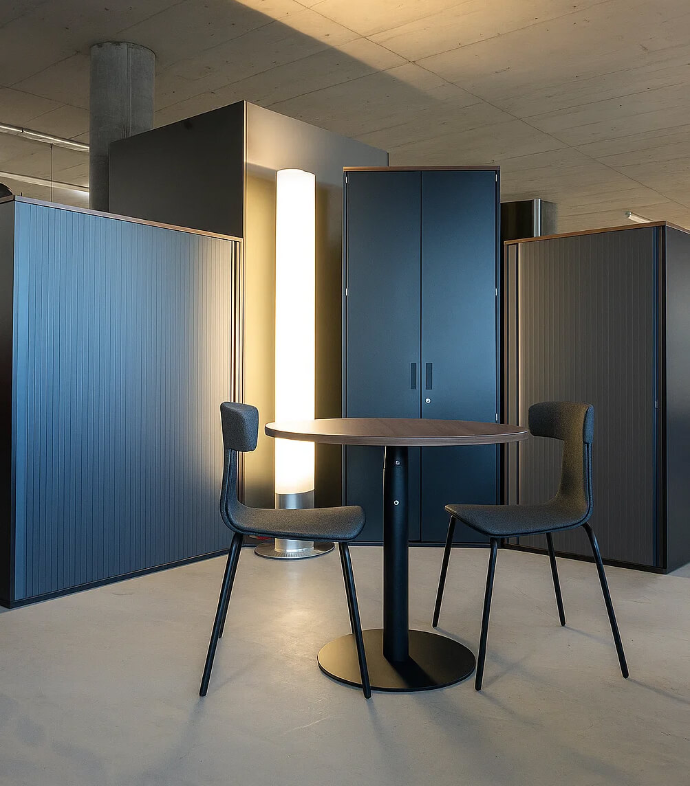
Not the entire office needs new lighting. Often, an extra light fixture is all it takes—right where it makes the biggest difference.
Specific Changes You Should Make This Fall
A good first step is to take a quick tour of the rooms as soon as it starts to get noticeably darker in the afternoon. Where is additional light needed now that wasn’t necessary in the summer? Often, an extra light fixture right at the workspace is enough, rather than turning up the brightness of the entire room’s lighting.
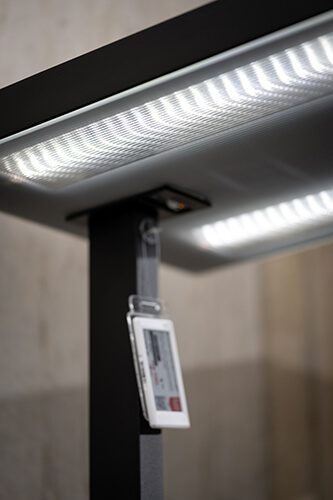
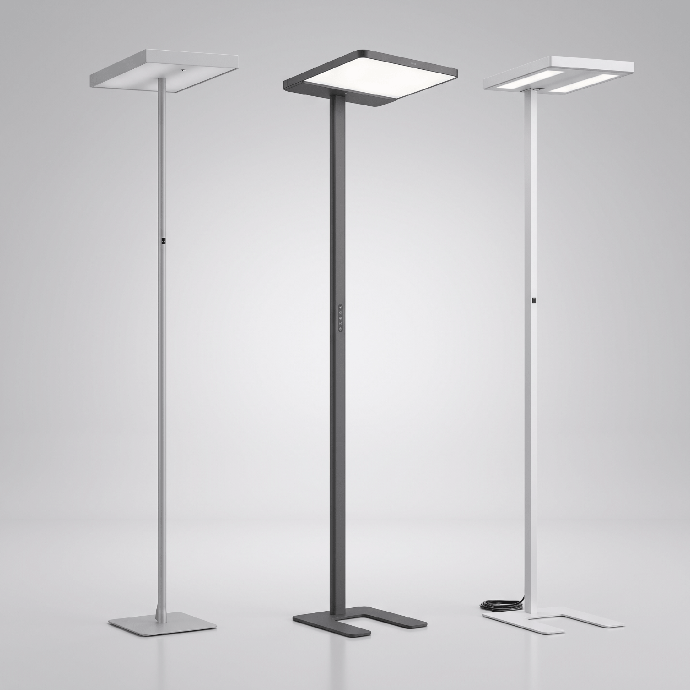
Lights that automatically adjust to the available natural light are particularly practical. The Tradingzone Free SPD-SEN LED floor lamp, for example, responds to natural light and presence in the room and adjusts its brightness accordingly—which is especially useful during transitional seasons when light levels fluctuate significantly.
It’s also a good idea to check older light bulbs that haven’t been used much since spring: If you’re now spending more time working under artificial light again, you’ll notice flickering or uneven light more quickly than you did in the summer.
Rest Areas for the Darker Months
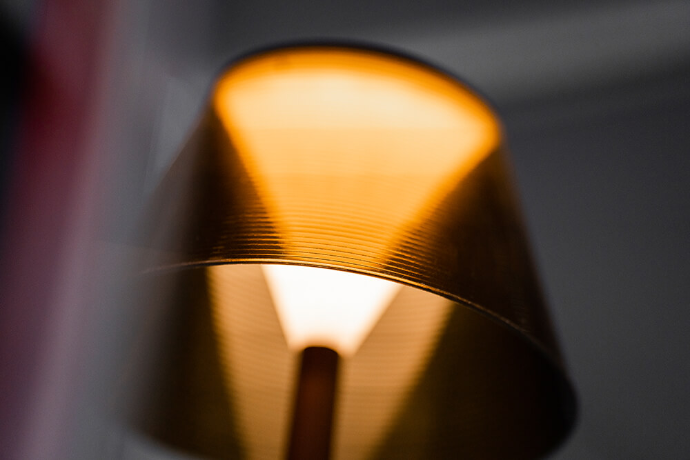
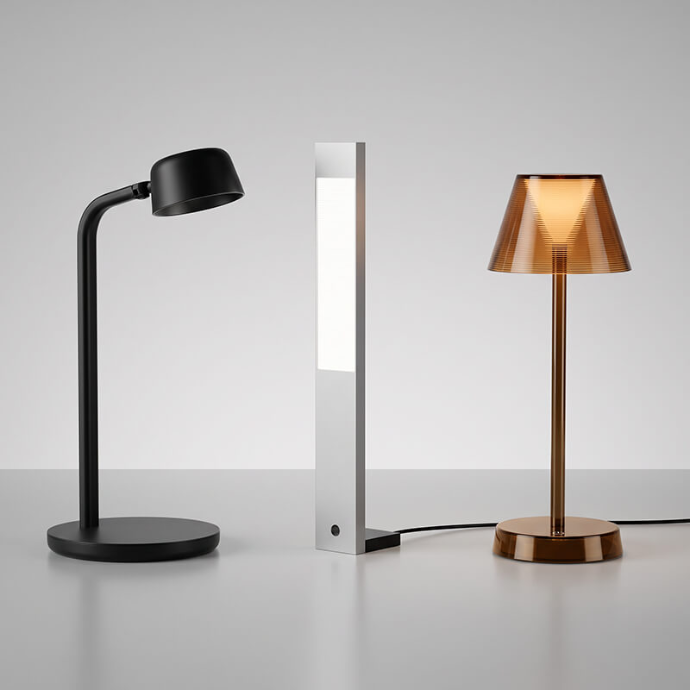
While neutral-white light remains a good choice for concentration in the workplace, it’s now worth taking a closer look at warmer light tones for break and relaxation areas. Especially when dusk sets in early outside, a break area with warm lighting instead of cool lighting feels much more inviting. Suitable table or floor lamps from the pre-owned selection can easily be added here—inspected and ready to use—at a fraction of the original price.
A well-thought-out lighting plan doesn't have to be redesigned for this; often, it's enough to retrofit lighting specifically in the areas where it makes the biggest difference in the fall.
Sources: SUVA, DGUV